Villgro RCT: Coordinating a Five-Institution Research Project
Served as the operational hub for a multi-institution randomized control trial, managing data collection across eighty startups.

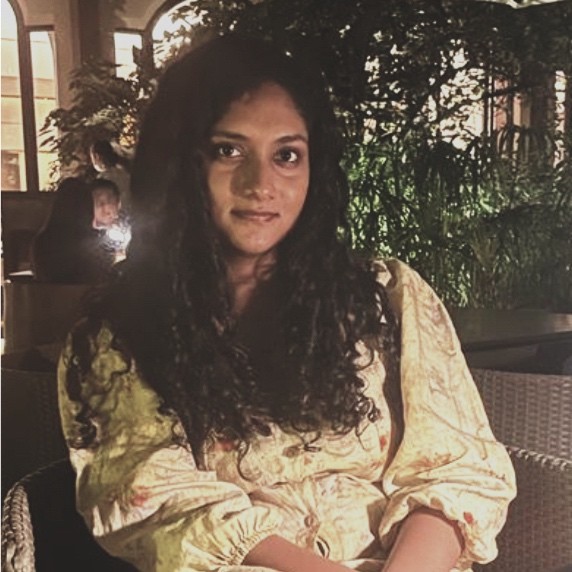
Upasana Nallari
Associate/Fellow at ACT





From their time as
Associate
Villgro • 2023 - 2024
Overview
Upasana joined Villgro as the coordination hub for a randomized control trial studying whether structured impact measurement changes how startup founders operate their businesses. The project was funded by LSE and involved researchers from Harvard Business School, Chicago Booth, and J-PAL South Asia, with Villgro as an operating partner.
The Story
Upasana joined Villgro as the coordination hub for a randomized control trial studying whether structured impact measurement changes how startup founders operate their businesses. The project was funded by LSE and involved researchers from Harvard Business School, Chicago Booth, and J-PAL South Asia, with Villgro as an operating partner.
Her role spanned the full research cycle. She worked with the Harvard researchers to help design the stakeholder value survey, drawing on her qualitative and quantitative research training. She then rolled out the survey using Qualtrics and coordinated with eighty startup founders to collect stakeholder contact data so the survey could be distributed to their customers, employees, and beneficiaries.
Solving the Coordination Problem
The project ran into a significant operational challenge: five institutions with different timelines were all reaching out to the same eighty startups, creating confusion and founder fatigue. Upasana addressed this in two ways.
First, she proposed an investment matchmaker initiative: startups that submitted the required data would be connected with a matched investor from Villgro's network. This reframed data collection as a value exchange rather than an administrative burden and materially improved participation rates.
Second, she built a shared Excel tracker logging all communications with each startup across institutions, eliminating duplicate outreach and miscommunication.
For the twenty-three founders she worked with directly, she assisted in data cleaning and played a central role in producing the impact reports delivered back to each founder.