AWR Lloyd Hemp Study: Building a Market View in an Unmapped Sector
Ran India-facing primary research for a USDA-funded hemp market entry study, validating ambiguous market sizing through direct industry interviews

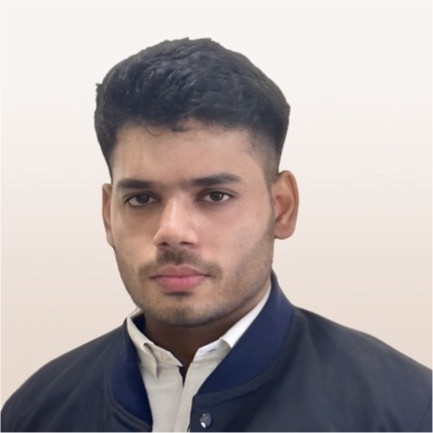
Rushank S.
Analyst at AWR Lloyd

From their time as
Analyst
AWR Lloyd • 2023 - 2025
Overview
Rushank joined the AWR Lloyd team on a USDA-funded assignment for the Hemp Council of America, tasked with answering a single strategic question: should US hemp producers enter the Indian market? The project ran for three months, and the India-facing research was his primary responsibility.
The Story
Rushank joined the AWR Lloyd team on a USDA-funded assignment for the Hemp Council of America, tasked with answering a single strategic question: should US hemp producers enter the Indian market? The project ran for three months, and the India-facing research was his primary responsibility.
The first challenge was the data itself. Secondary research reports on the Indian hemp market were sparse and contradictory, with market sizing figures that varied widely and could not be taken at face value. Rather than anchor to a single report, Rushank and the team built their own market sizing model, then cross-validated it against numbers provided directly by Indian hemp players during primary interviews. The figures aligned, which gave the team confidence in the estimate.
The second challenge was access. Reaching Indian industry players required persistent outreach via LinkedIn and direct calls, and not all of them were willing to engage. One of the most significant players in the Indian hemp market, a company with substantial VC backing and government partnerships, initially agreed to participate and then threatened to withdraw mid-project, citing a lack of visible benefit.
Rushank worked with the team and the US-based project lead to manage the situation. He helped bridge the cultural gap between how the US side and the Indian side understood the engagement, explaining to the player that their participation would be acknowledged in the final report and that the project, if it progressed to phase two, could bring US technology partners to address the gap in Indian hemp processing capability. The player remained in the project, and the team secured phase two approval.
The final report covered market size, demand drivers, regulatory landscape, value chain mapping, competitive dynamics, and a strategic and financial assessment of entry options, including geographic constraints given that legal hemp cultivation in India is largely limited to Uttarakhand.