Agrostar Due Diligence: Building Conviction Past a Broken Balance Sheet
Led end-to-end diligence on an agri-tech company with a near-zero net worth, grounding conviction in cash dynamics.

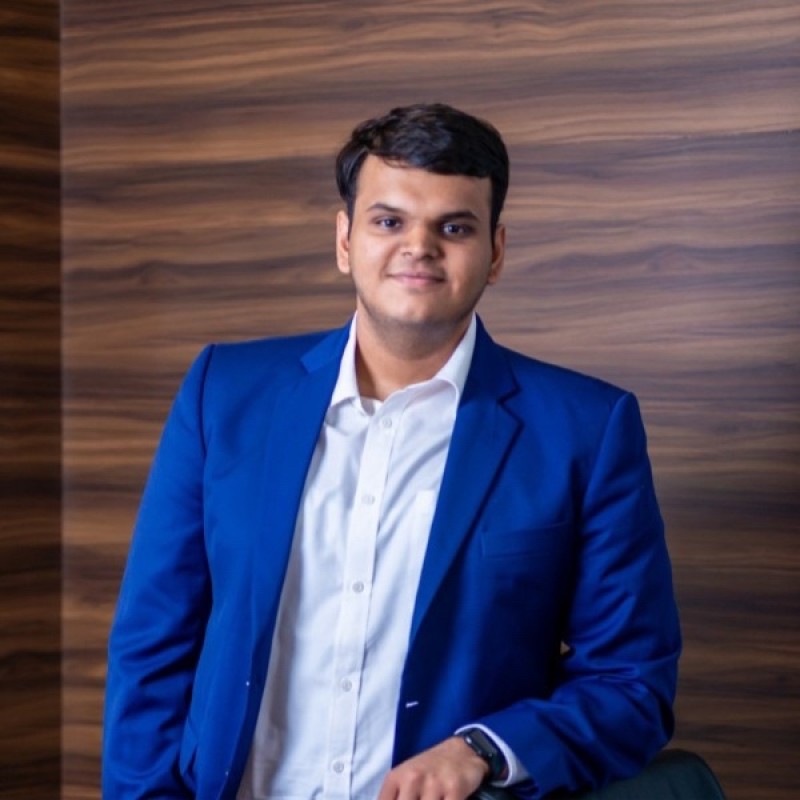
Nirvan Bhimrajka
Management Trainee - Investments Team at BlackSoil


From their time as
Management Trainee - Investments Team
BlackSoil • 2025 - 2025
Overview
Nirvan came into the Agrostar deal having never worked in agri-tech before. His first step was to map the industry before looking at the company: understanding the input segment (crop nutrition and crop protection), the output segment (fresh produce exports), and how the major players were positioned.
The Story
Nirvan came into the Agrostar deal having never worked in agri-tech before. His first step was to map the industry before looking at the company: understanding the input segment (crop nutrition and crop protection), the output segment (fresh produce exports), and how the major players were positioned.
Agrostar operated across both segments. On the input side, it sold through an omnichannel model combining a multilingual app and website with more than 10,000 co-branded offline Sathi Stores. On the output side, it was India's largest exporter of bananas and pomegranates, with roughly half its revenue coming from exports to the Gulf region.
Competitive Landscape
Nirvan ran a competitive analysis to understand what Agrostar was doing differently. Three things stood out. First, founder-market fit: the Seth brothers came from a farming background and had seen the problems they were solving firsthand. Second, gross margins: while most agri-tech startups were operating at thin gross margins, Agrostar commanded 45 to 50% gross margins, driven almost entirely by its own-brand sales, which accounted for 98 to 100% of revenue. Third, the offline network: the Sathi Stores gave the company a distribution moat that pure-play digital competitors could not replicate.
The Hard Part: The Balance Sheet
The most difficult part of the diligence was the balance sheet. Agrostar had raised more than 1,200 crores in total funding, but its net worth was close to zero. The company had been burning money at the EBITDA and PAT level for years, eroding equity with each passing period. The debt-to-equity ratio was running at 90 to 95 times, a number that raised immediate flags with senior members of the team.
Nirvan's job was to make the case that the underlying business was sound despite what the balance sheet showed. He grounded the argument in three things: stable and factual cash flows, a healthy cash balance that gave the company runway to its planned fundraise, and clean working capital discipline. Trade receivables as a percentage of revenue were flat or declining across quarters, a meaningful signal for an export-heavy business where collections can be unpredictable.
The team was convinced. BlackSoil invested. Agrostar subsequently closed a $30 million fundraise, validating the read on the business.