Polycab Equity Report: A Full Research Process, Solo
Built a complete equity research report and DCF model on Polycab India independently, catching a critical valuation error before submission

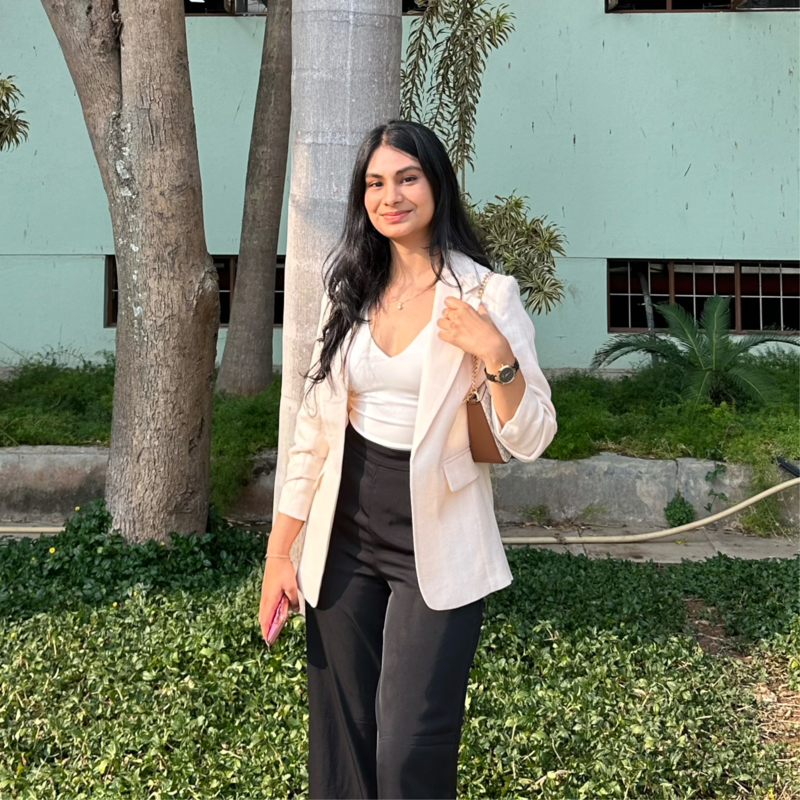
Kasak Agarwal
Tutor at U&I Trust
Overview
Kasak decided to build a full equity research report on Polycab India without anyone asking her to. She had been following the company for a while and wanted to test whether she could produce something rigorous enough to be reviewed by a working professional.
The Story
Kasak decided to build a full equity research report on Polycab India without anyone asking her to. She had been following the company for a while and wanted to test whether she could produce something rigorous enough to be reviewed by a working professional.
She started by studying how experienced analysts structured their reports, reading multiple examples before settling on her own approach. Her data-gathering phase covered five years of concalls, the full management discussion and analysis section of the annual report, and financial data pulled from Screener. She used AI to surface key points from the longer documents, but read the MD&A and concalls herself, reasoning that sentiment and management tone are better read by a human than summarized by a tool.
With the data gathered, she built a DCF model and a relative valuation model in Excel. She had worked on financial models in college before, so the structure was familiar, but this was the first time she was doing it entirely on her own terms.
Before submitting the model to her mentor, she ran a final check. She spotted that she had used 2021 as the base year instead of 2020. Because the entire model was linked, the error had inflated the CAGR and skewed the valuation throughout. She corrected the base year, and the model recalculated automatically.
The correction changed her investment call from buy to accumulate. She used a weighted-average scoring method across factors including competitive positioning to arrive at the final rating, and the corrected numbers supported accumulate rather than buy.
Her mentor reviewed the report and was satisfied with the output. Kasak's takeaway from the process was that scrutinizing your own work before anyone else sees it is not optional; it is the job.