BCG Renewable Energy: Modeling the Case for a Wind-Solar Hybrid Plant
Built the financial model for a renewable energy transition opportunity at a national oil company, presented to the chairman

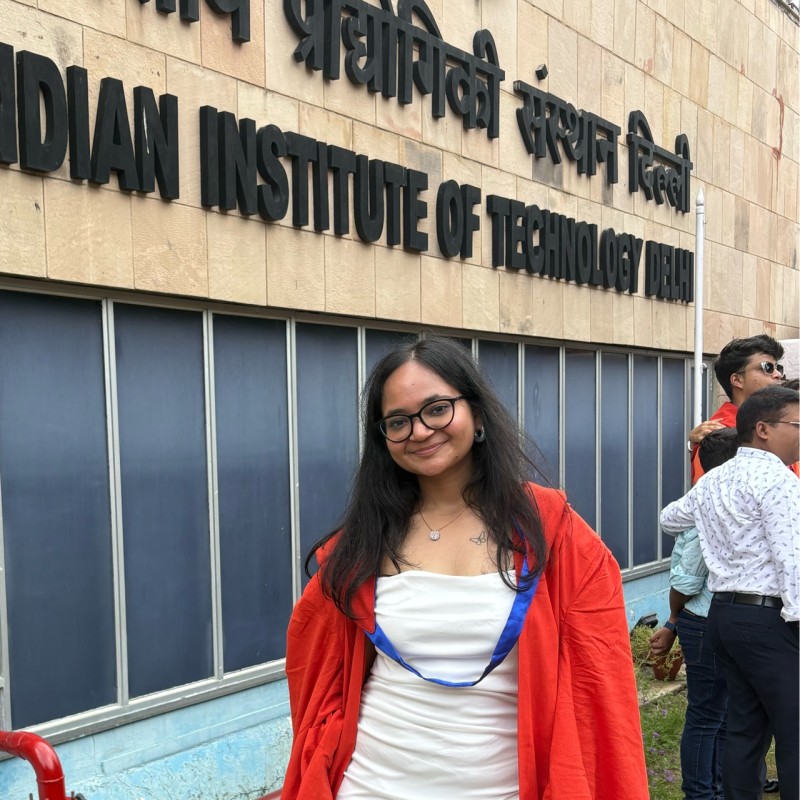
Isha Agrawal
Senior Associate Consultant at Praxis Global Alliance





From their time as
Summer Associate
Boston Consulting Group (BCG) • 2024 - 2024
Overview
Isha's BCG internship placed her on a cost reduction workstream for a national oil company. Within that workstream, she owned two avenues: vessel turnaround optimization and a renewable energy transition opportunity.
The Story
Isha's BCG internship placed her on a cost reduction workstream for a national oil company. Within that workstream, she owned two avenues: vessel turnaround optimization and a renewable energy transition opportunity.
The renewable energy work started with a straightforward observation: the company's thermal power plants were generating electricity at roughly 10 rupees per unit, while a wind-solar hybrid plant could bring that down to five to six rupees. The question was whether the economics of building such a plant actually worked for the company.
Building the Model
Isha modeled three scenarios in Excel: a 50/50 solar-wind hybrid, a 70/30 wind-heavy mix, and a 30/70 solar-heavy mix. For each, she calculated capacity utilization factors for both energy sources, combined them to arrive at a net conversion factor of 60 to 70%, and mapped the financial case: total CapEx required, projected IRR, and payback period.
A key structural insight shaped the model: the company could set up a group captive plant, meaning it would fund 30% of the plant while a renewable energy provider covered the remaining 70%. This structure significantly reduced the capital burden and improved the return profile.
She also identified Gujarat as the optimal location, given that the majority of the company's relevant assets were concentrated there.
Outcome
The model was presented to the company's chairman. He was interested in the opportunity and asked the team to go deeper into implementation mechanics. The scope of Isha's internship ended before the implementation phase, but the opportunity was approved for further research by the chairman, validating the financial case she had built.